Waterproofing Match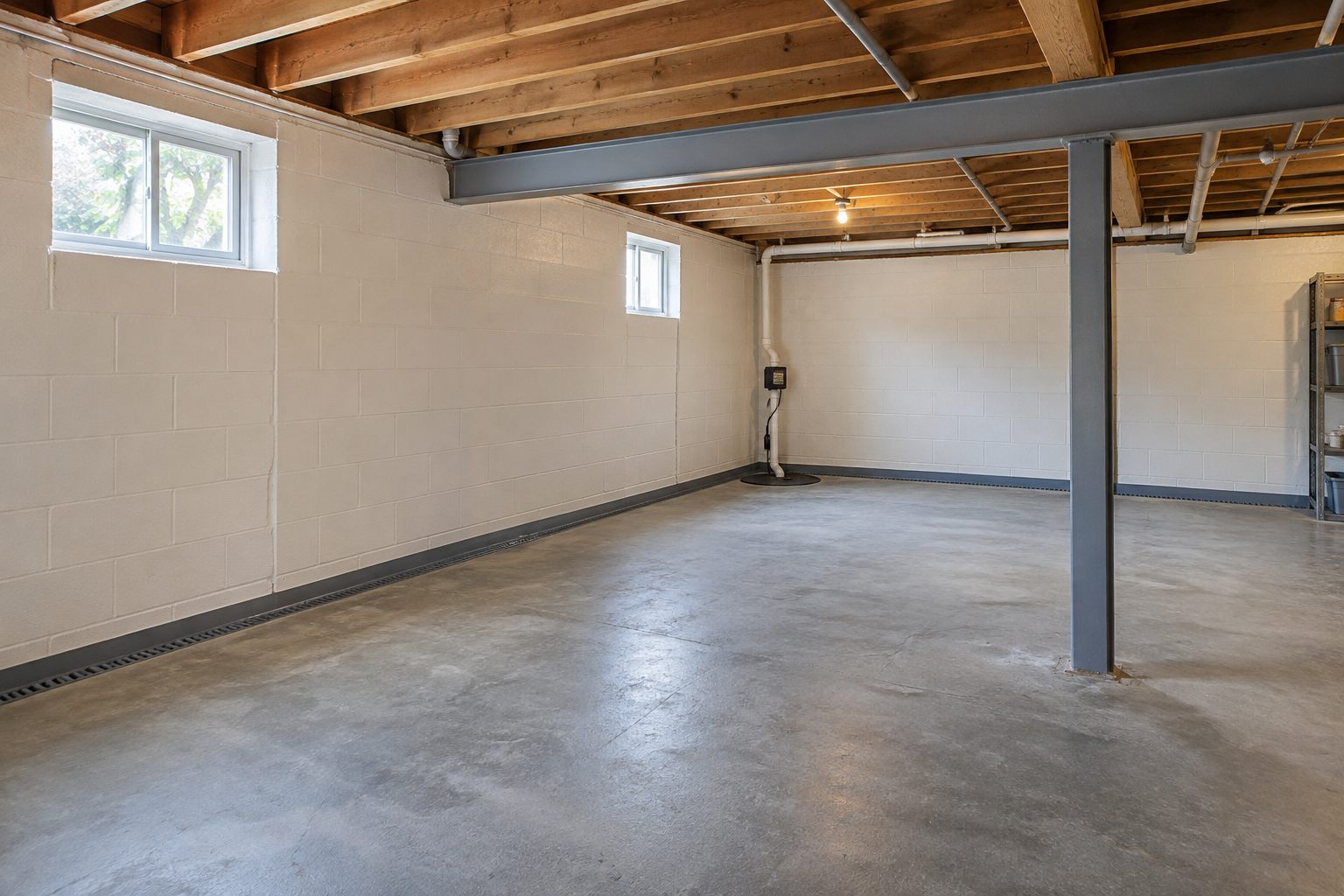
Why basements leak after rain
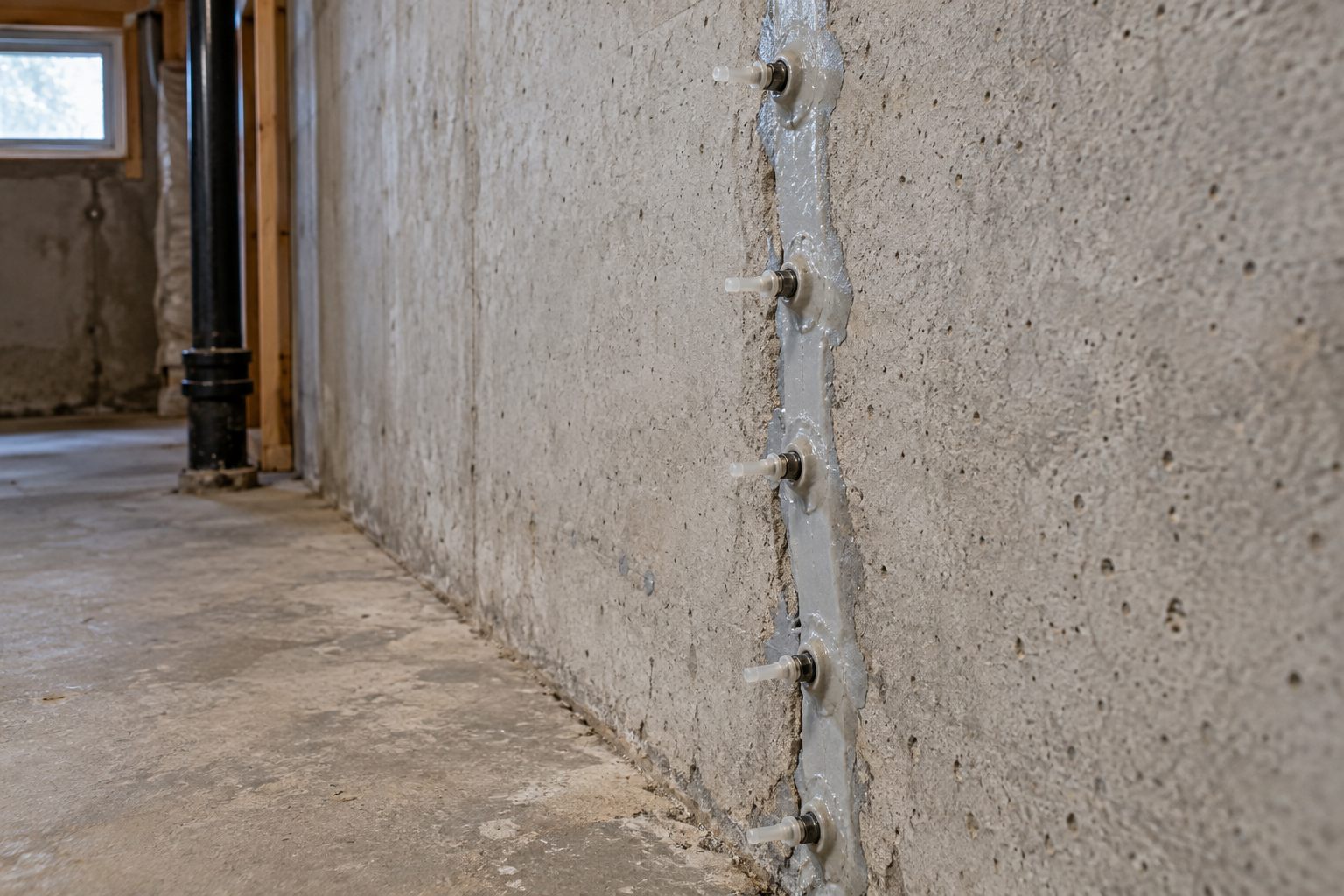
Soil around a foundation holds water after a storm. When it's saturated, water pushes against the walls and up under the floor slab and finds the easiest way in: the cove joint where wall meets floor, cracks, pipe penetrations, window wells, and the hollow cores of block walls.
Gutters that dump next to the house, downspouts that end at the foundation, and yards that slope toward the home all make it worse, because they put more water right where the basement is weakest.
Temporary fixes vs. real repairs
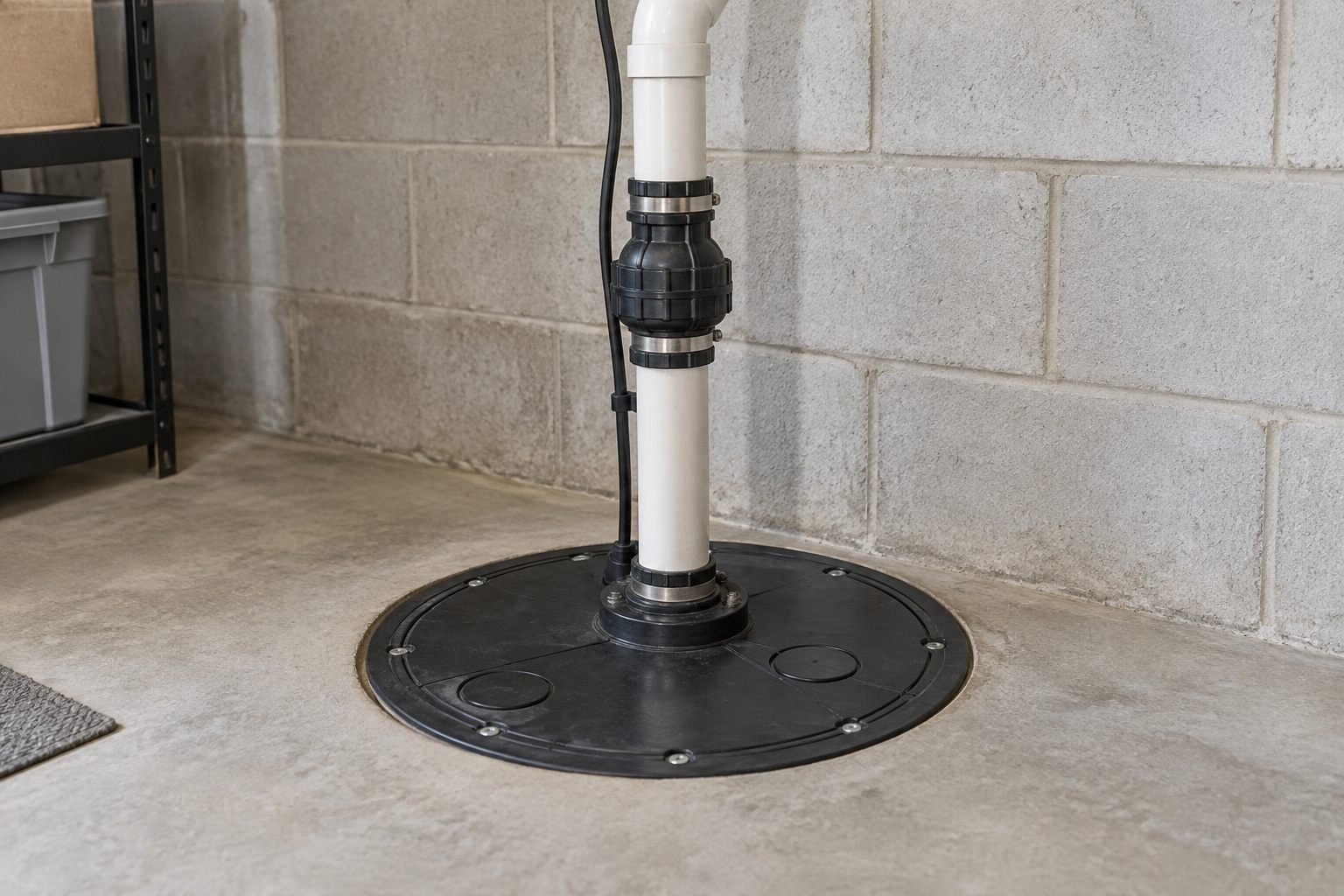
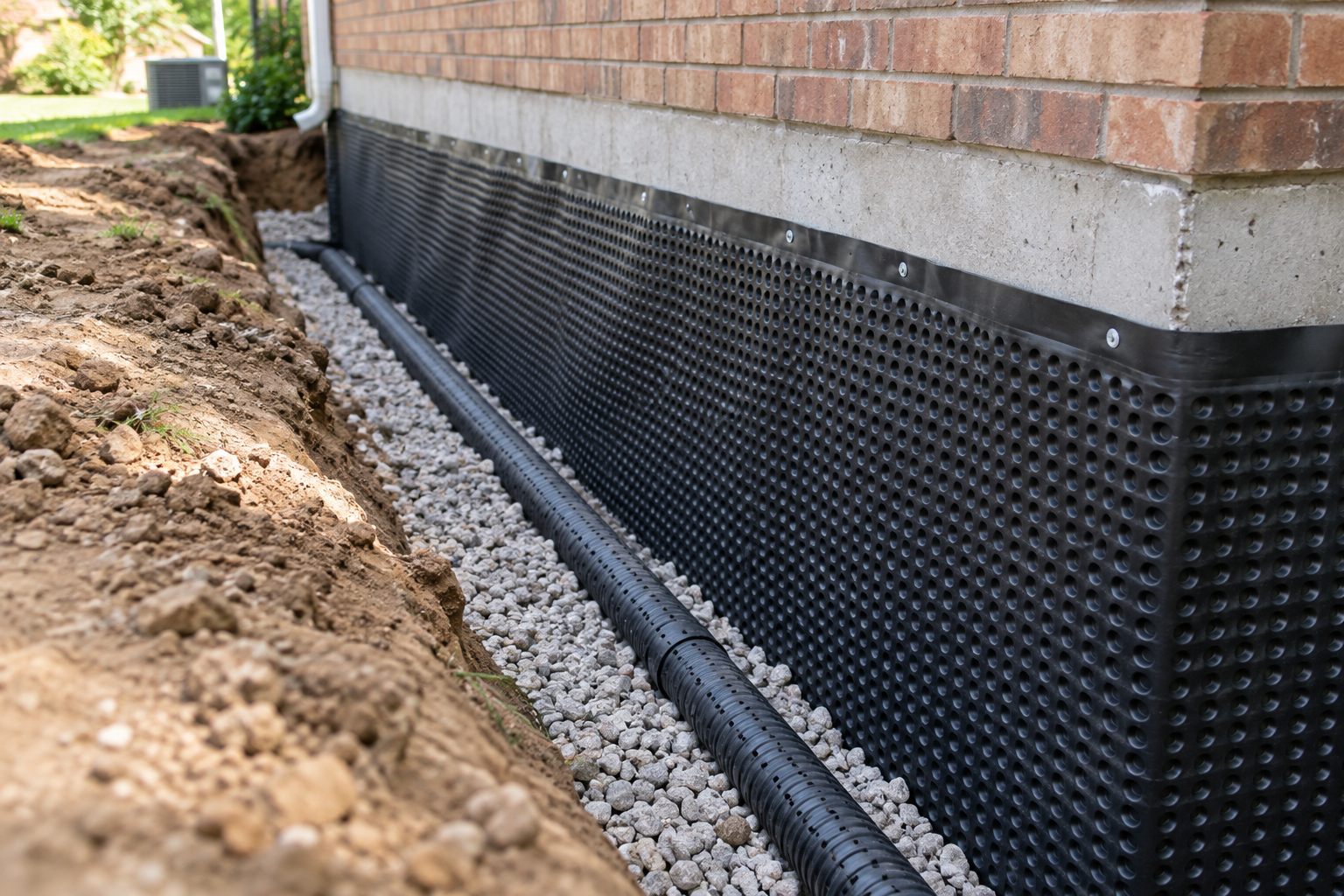
Masonry paint and patching compound can hide a damp spot for a season, but they rarely stop water that's under pressure. Lasting repairs usually relieve that pressure, either by collecting the water in a drain system and pumping it out, or by stopping it on the outside of the wall.
What to have ready when you call
Where the water shows up, how much, how soon after rain it starts, and whether the basement is finished. Photos help. The contractor will use this to decide what to look at first.
Before you choose a contractor
Confirm that the proposed work addresses the observed source of moisture. Ask about inspection fees, permits, exclusions, cleanup, discharge routing and warranty terms. Verify applicable credentials and insurance independently.
Use the waterproofing estimate checklist to compare the same scope across quotes.