 Waterproofing Match
Youngstown & Boardman: basement leak assessment
Distinguish wall seepage from drain backup, check listed ZIPs and prepare the inspection discussion.
A clearer path to a drier home
New pumps, failed pump replacement and battery backups. Learn what to inspect and what to ask before hiring.
This guide is informational. Standalone service eligibility is not confirmed for our waterproofing referral line.
If water also enters through walls or floor joints, discuss the whole basement water-entry pattern with an assessor. These Ohio guides concern basement waterproofing; standalone pump service remains unconfirmed and this page remains informational.
Distinguish wall seepage from drain backup, check listed ZIPs and prepare the inspection discussion.
Compare access, drainage, discharge and restoration in a written scope.
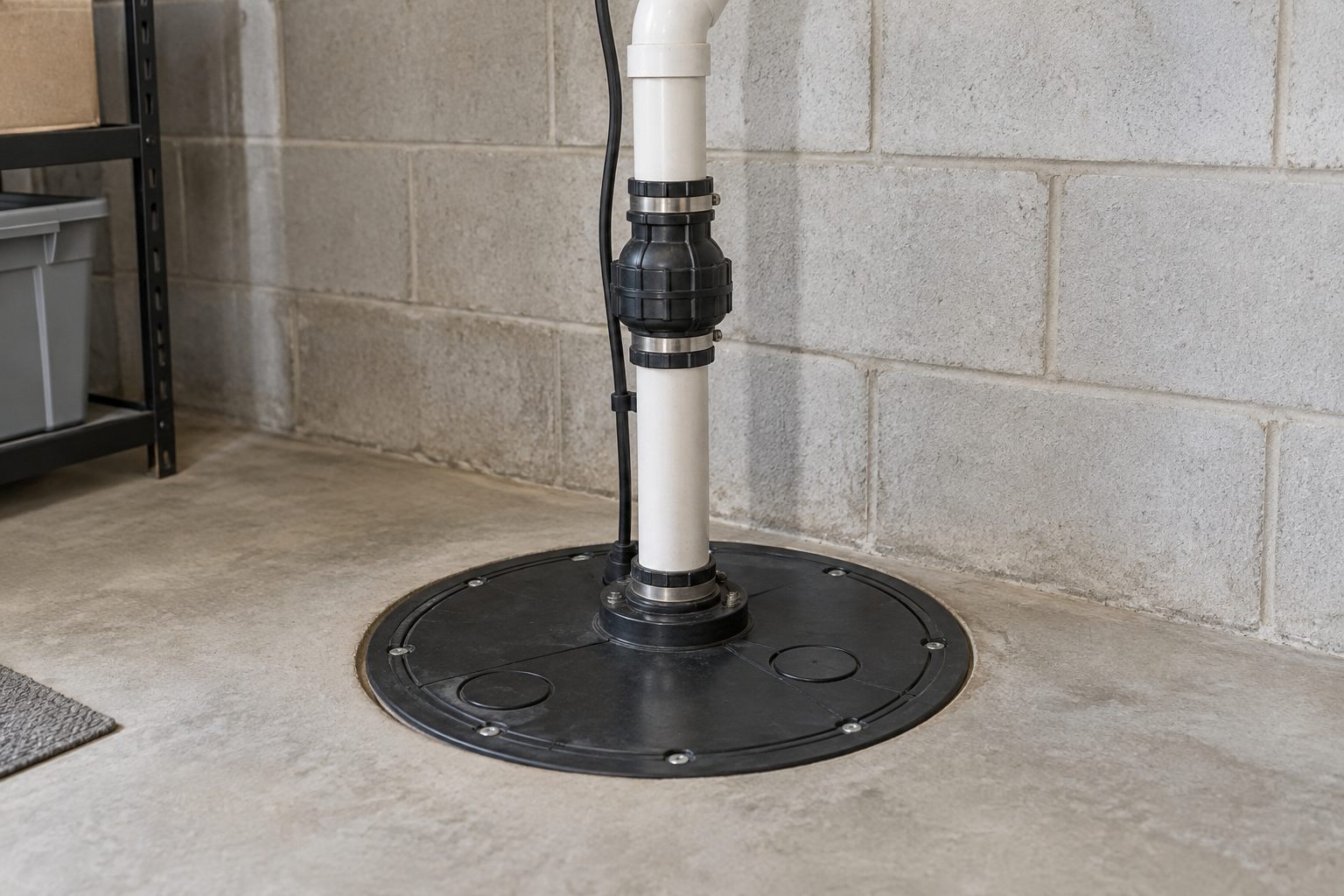
A sump pump sits in a pit at the lowest point of the basement and pushes collected water out of the house. Homes with a drain tile system need one, and many basements that take on water in heavy rain need one added.
If your pump runs constantly, cycles on and off quickly, makes grinding noises, or let water rise during the last storm, it's worth having it checked before the next one.
Pumps tend to fail during the storms when you need them most, often because the power goes out. A battery backup pump or a second pump in the same pit protects a finished basement. Ask about the discharge line too: water pumped out next to the foundation often comes straight back in.
Pit size and condition, the pump and check valve, where the discharge line ends, whether there's a drain system feeding the pit, and whether a backup makes sense for your home.
Confirm that the proposed work addresses the observed source of moisture. Ask about inspection fees, permits, exclusions, cleanup, discharge routing and warranty terms. Verify applicable credentials and insurance independently.
Use the waterproofing estimate checklist to compare the same scope across quotes.
A sump pump usually fails when it is needed most, during heavy rain or snowmelt. In Northeast Ohio basements, replacing a pump before it quits can be the difference between a damp corner and a flooded floor.
To test a pump, slowly pour a bucket of water into the pit and watch whether it turns on, empties the pit and shuts off.
Many Ohio communities do not allow sump pumps to discharge into the sanitary sewer, so ask the contractor to confirm the discharge meets local rules.
If the pit fills quickly in every storm, or water enters through wall cracks or the floor joint, the problem may be drainage around the house. Compare the pump replacement against interior drain tile or basement waterproofing options, and use the estimate checklist to compare quotes on the same scope.
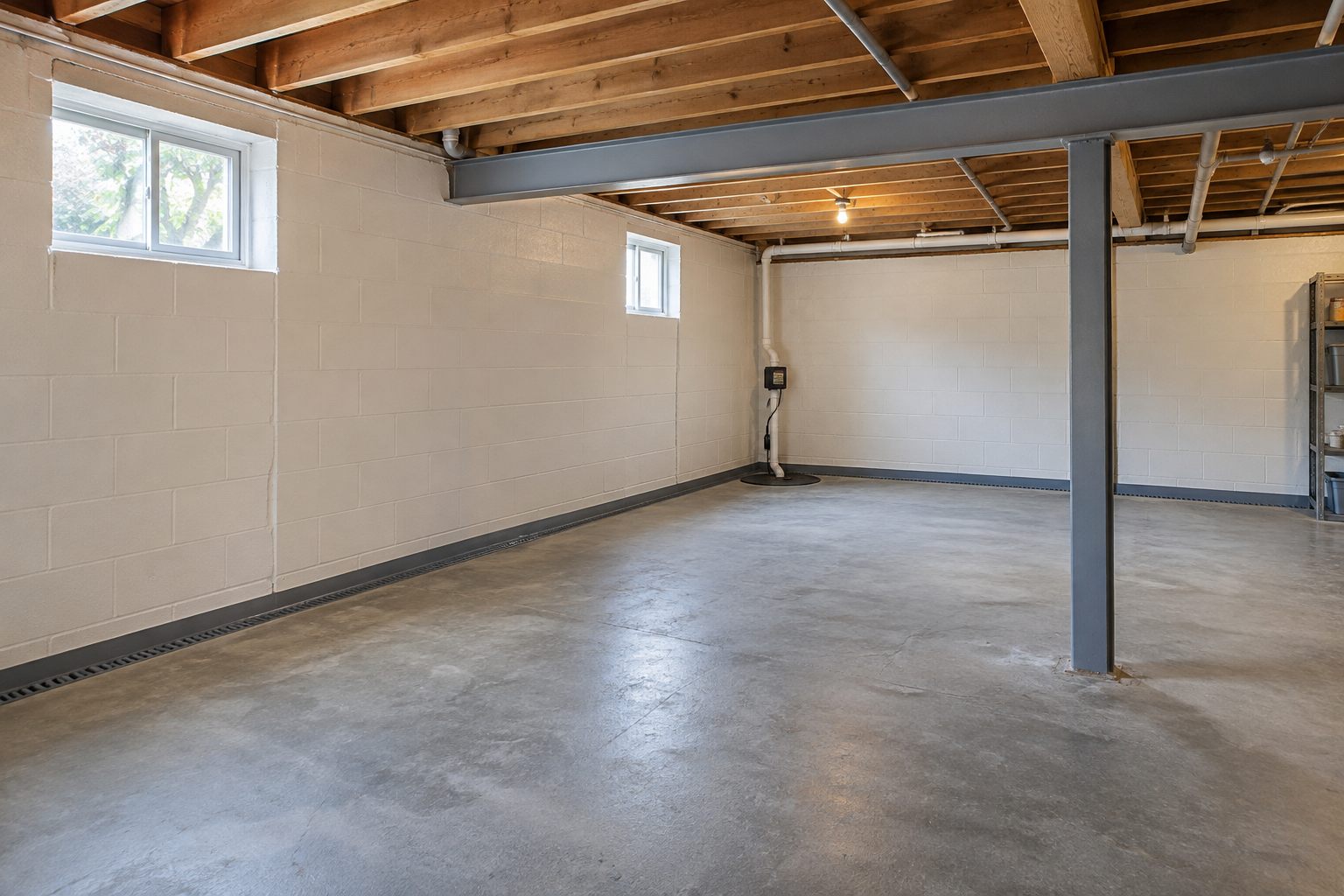
Stop water coming through walls, floors and the joint where they meet.
Explore this repair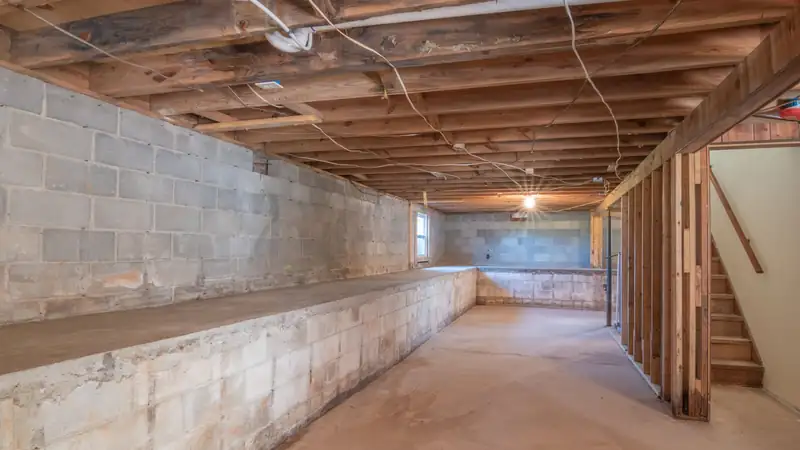
Find where water gets in after rain and fix the cause, not just the puddle.
Explore this repairNew pumps, failed pump replacement and battery backups.
Explore this repair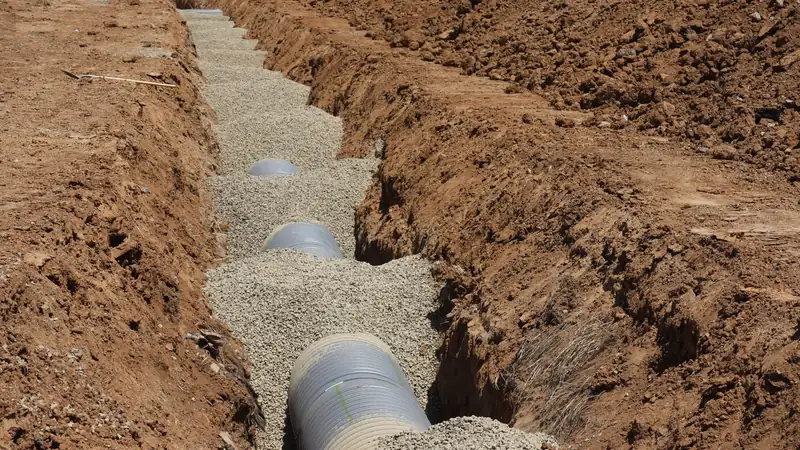
A perimeter drain that catches water before it reaches your floor.
Explore this repair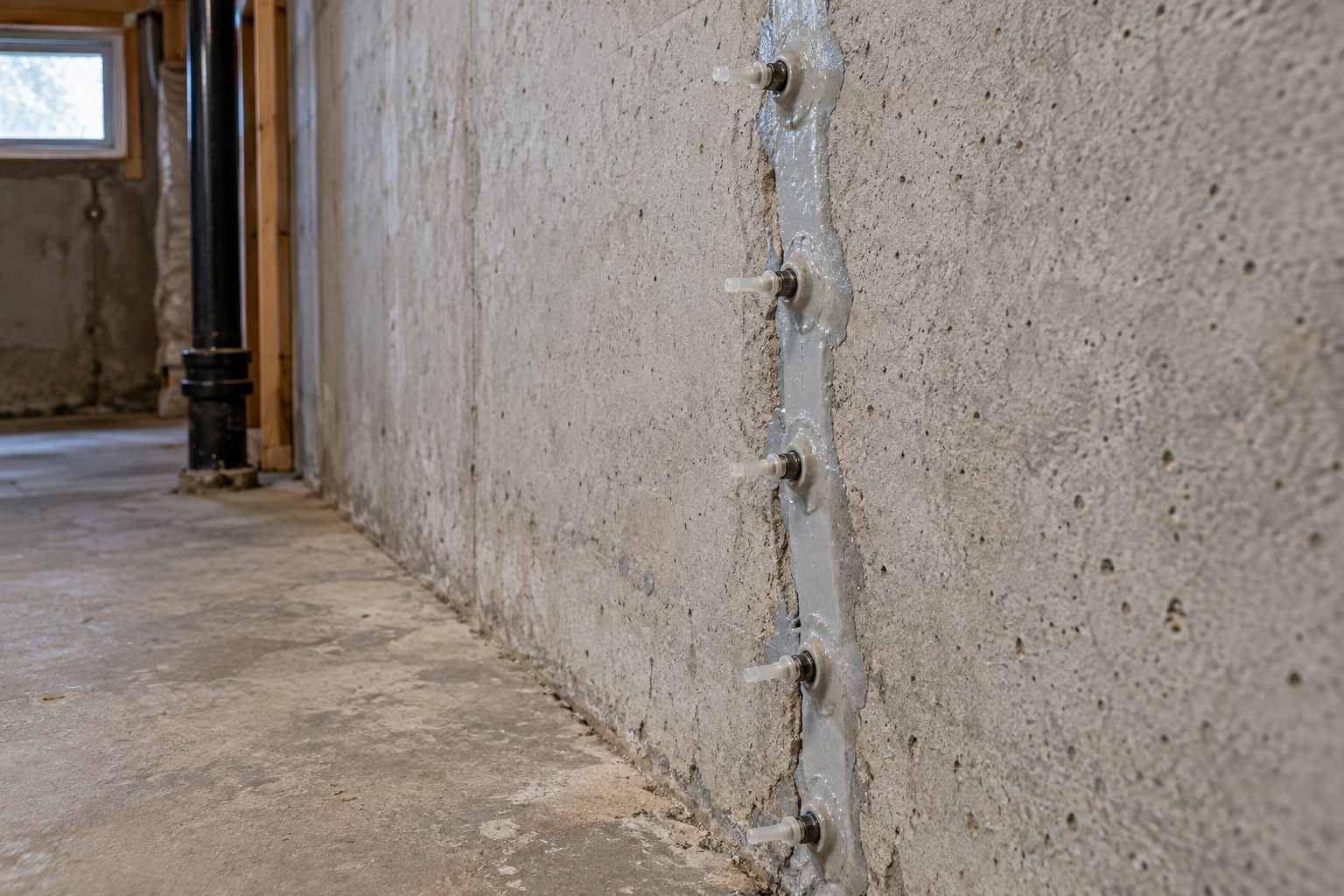
Compare assessment and repair questions for a leaking basement wall crack.
Explore this repair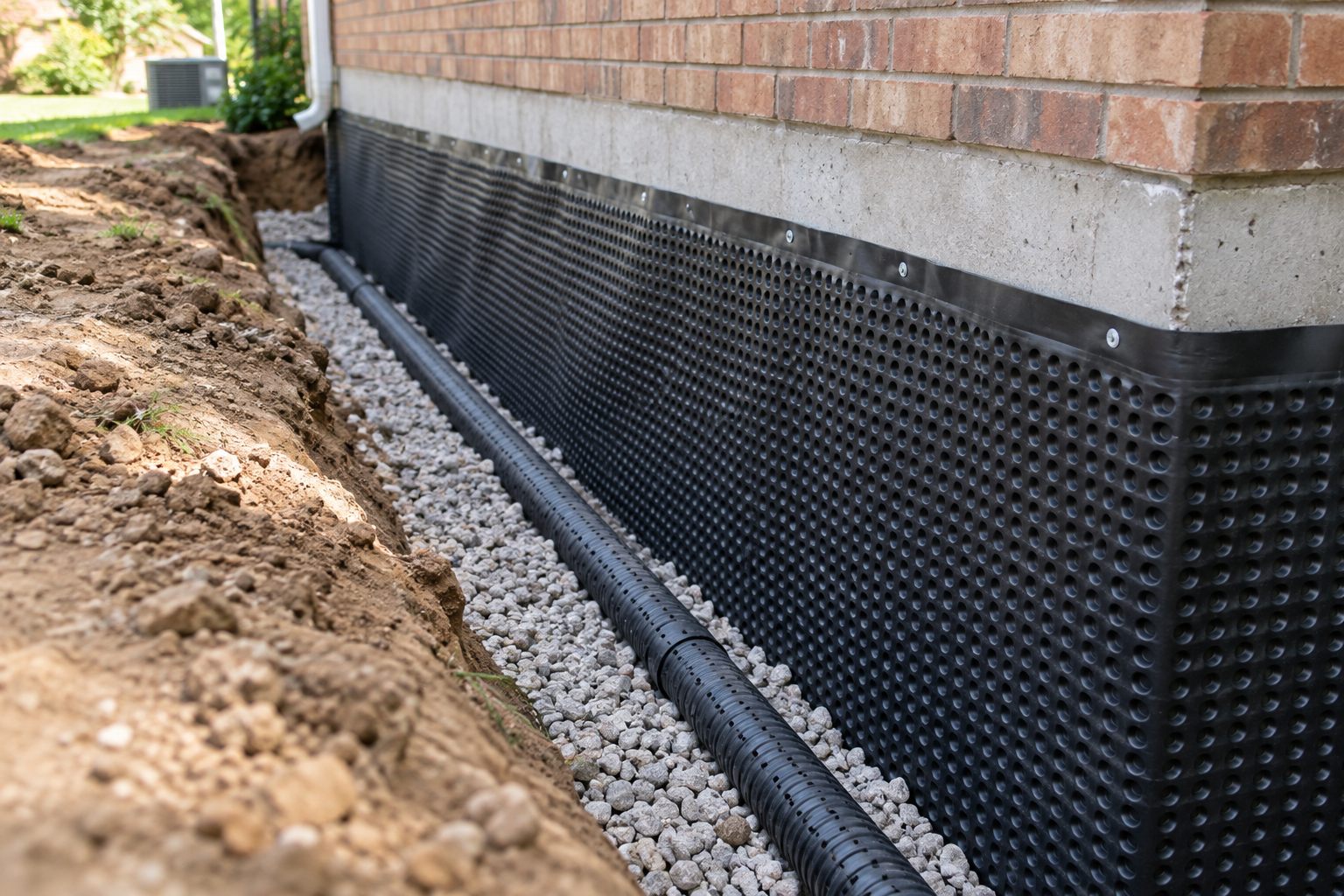
Excavate, seal and drain the outside of foundation walls.
Explore this repair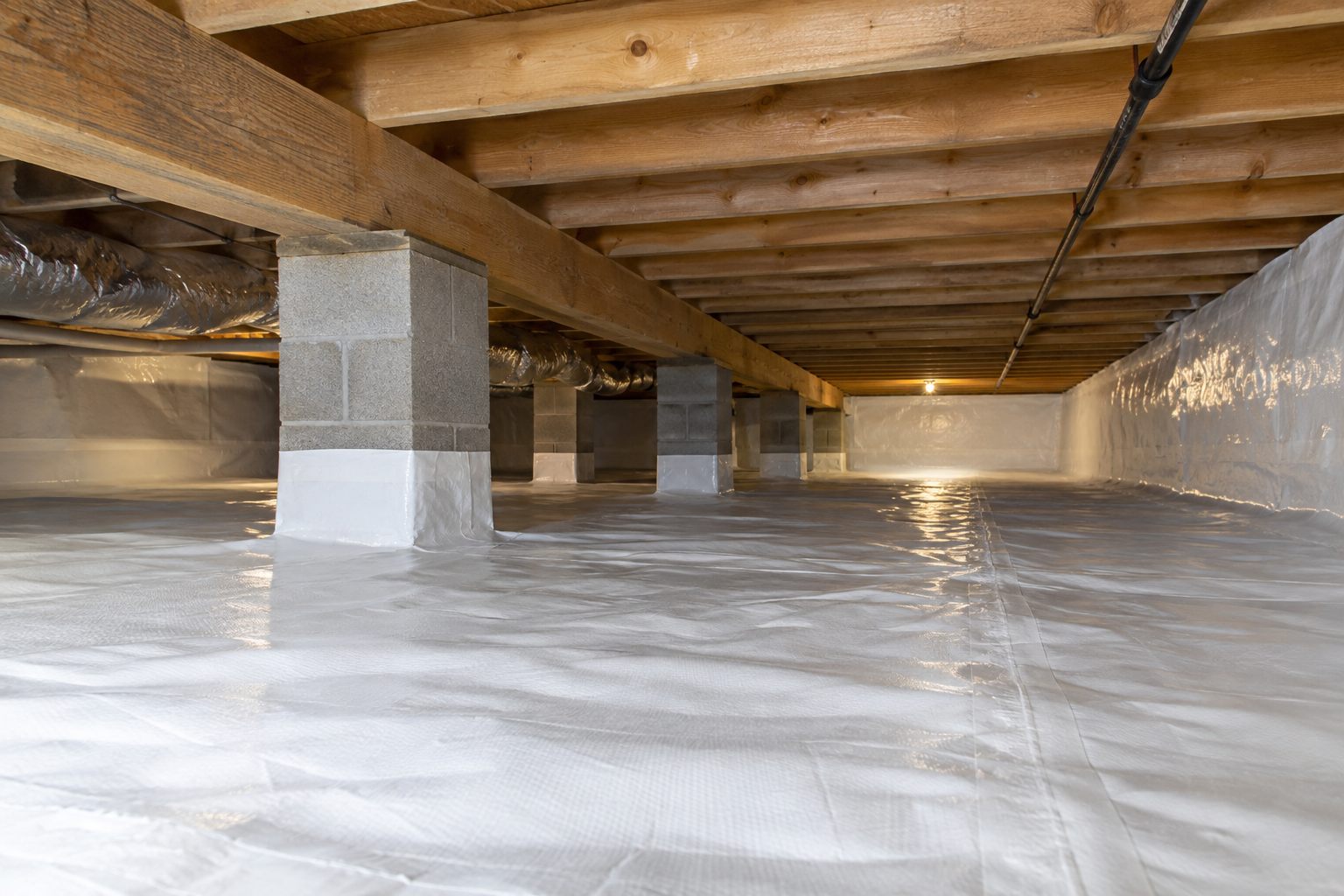
Vapor barriers, drainage and dehumidifiers for damp crawl spaces.
Explore this repair
What drives the price and how to compare quotes.
Explore this repairService images are AI-generated illustrations or stock photos, not completed customer projects.
Warning signs include a pump that runs constantly or not at all, loud grinding or rattling, frequent cycling, visible rust, or water that stays in the pit after the float rises. Test it by slowly pouring a bucket of water into the pit and watching whether it switches on and empties the pit.
It varies with how often the pump runs and the quality of the unit, so age alone is not the only sign. If your pump is several years old and works hard every spring, ask about its condition during an inspection.
A battery backup keeps water moving if the power goes out during a storm, which is often when the pump is needed most. Ask how long the backup can run and whether it has an alarm.
Submersible pumps sit in the pit and are quieter and usually suited to higher water volumes. Pedestal pumps sit above the pit and are easier to service. The right choice depends on the pit size and how much water your basement handles.
The discharge line should carry water away from the foundation so it does not flow back in. Many communities restrict draining into the sanitary sewer, so ask the installer about local rules.
Questions? Call (888) 887-0681
Related guides: Basement waterproofing cost guide · Basement waterproofing in Warren and Niles · Basement waterproofing in Mahoning County
Referral service: calls are connected to independent local providers. We are not a contractor; the provider confirms availability, scope and pricing.