Waterproofing Match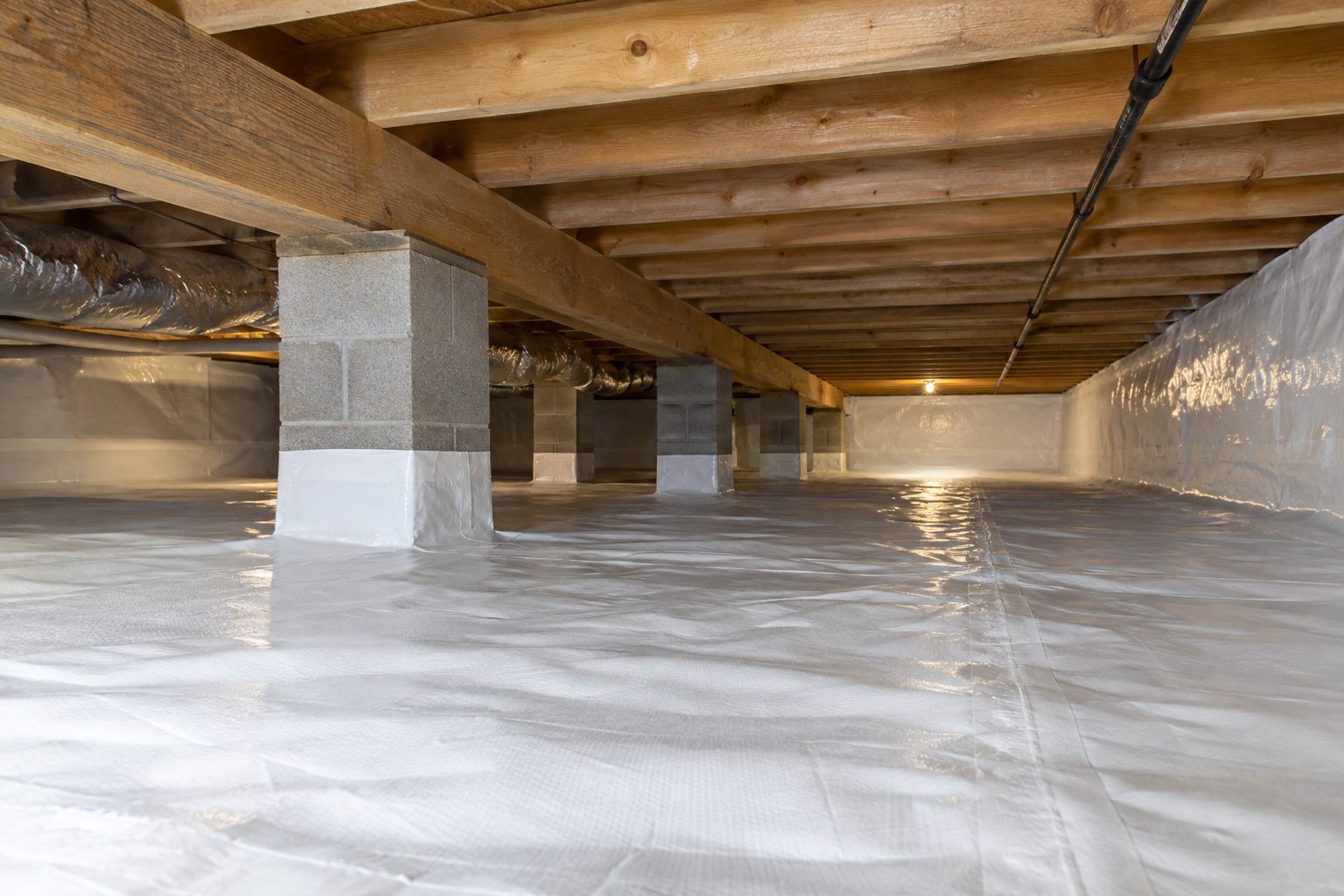
Why crawl spaces get wet
Crawl spaces sit on bare soil or thin concrete and often have open vents, so they collect groundwater, humid outside air and condensation. That moisture can lead to mold, sagging insulation, pests and musty air that rises into the house.
What encapsulation includes
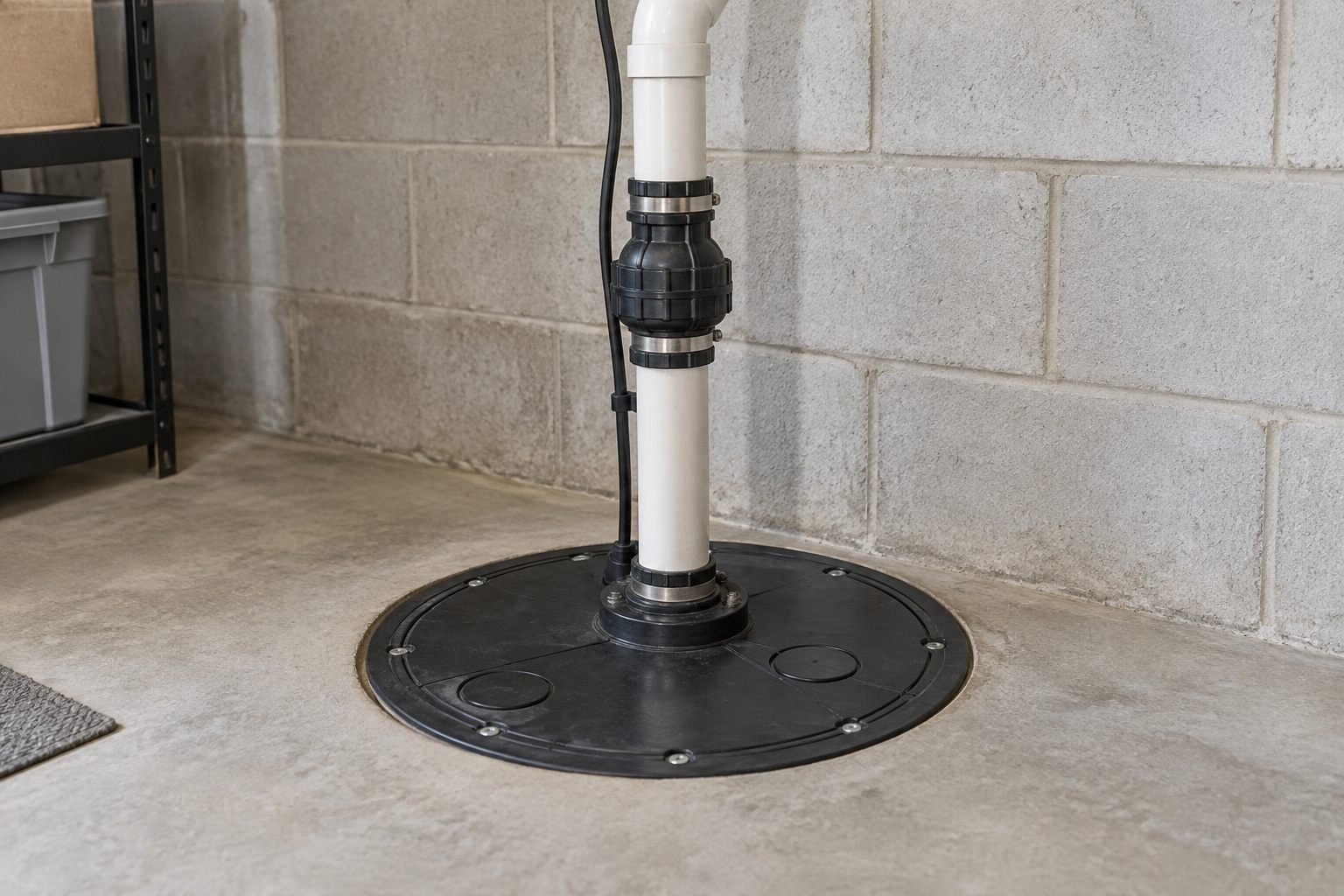
A heavy vapor barrier sealed to the walls and floor, closed or sealed vents, and usually a dehumidifier. If water pools in the space, a drain and sump pump are added first.
Before you call
Note whether there's standing water, visible mold, or sagging insulation, and whether you've noticed musty smells or higher humidity upstairs.
Before you choose a contractor
Confirm that the proposed work addresses the observed source of moisture. Ask about inspection fees, permits, exclusions, cleanup, discharge routing and warranty terms. Verify applicable credentials and insurance independently.
Use the waterproofing estimate checklist to compare the same scope across quotes.
Crawl-space encapsulation is described here as a related moisture-control option. Its eligibility under any future referral campaign must be confirmed separately.