Waterproofing Match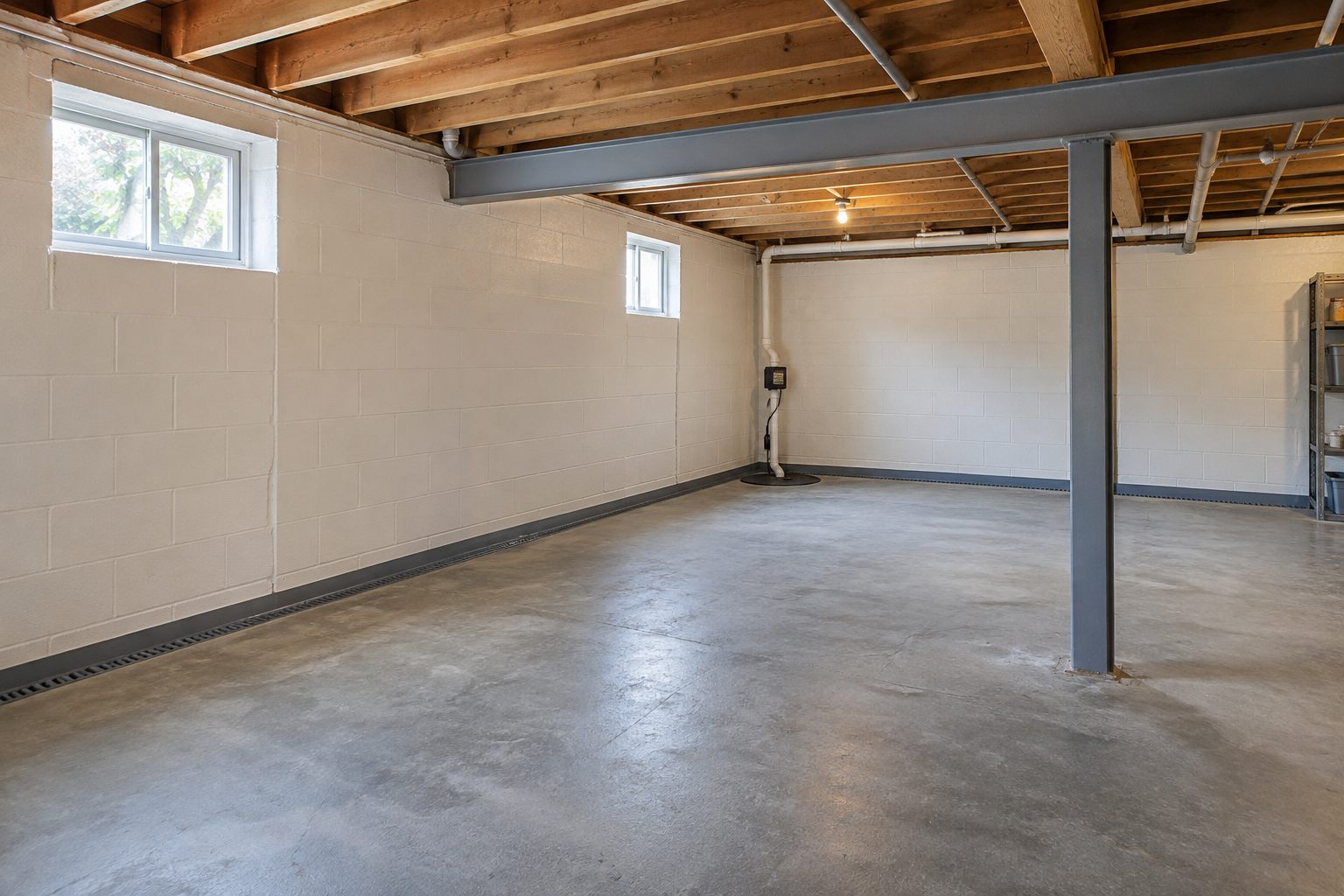
What basement waterproofing covers
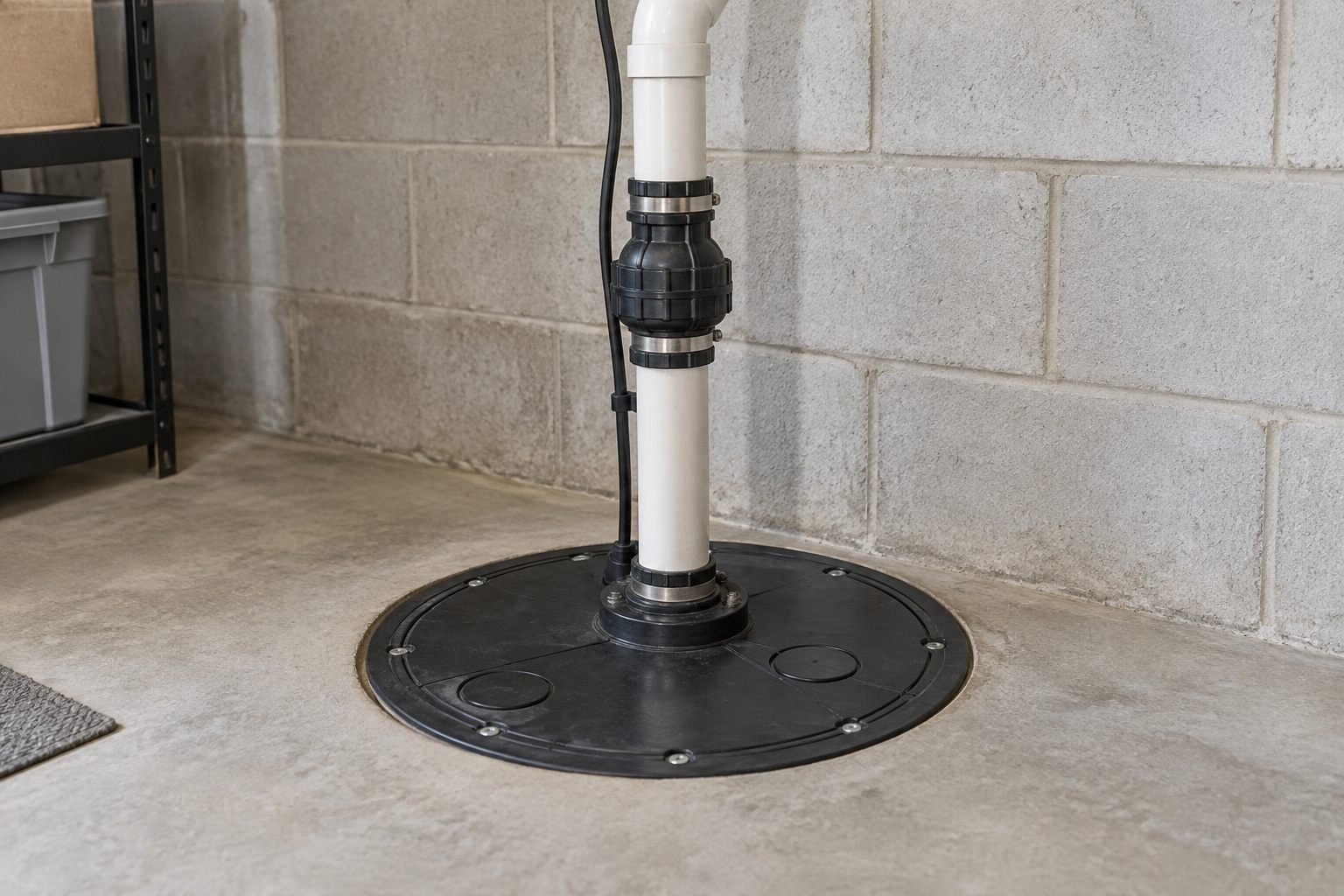
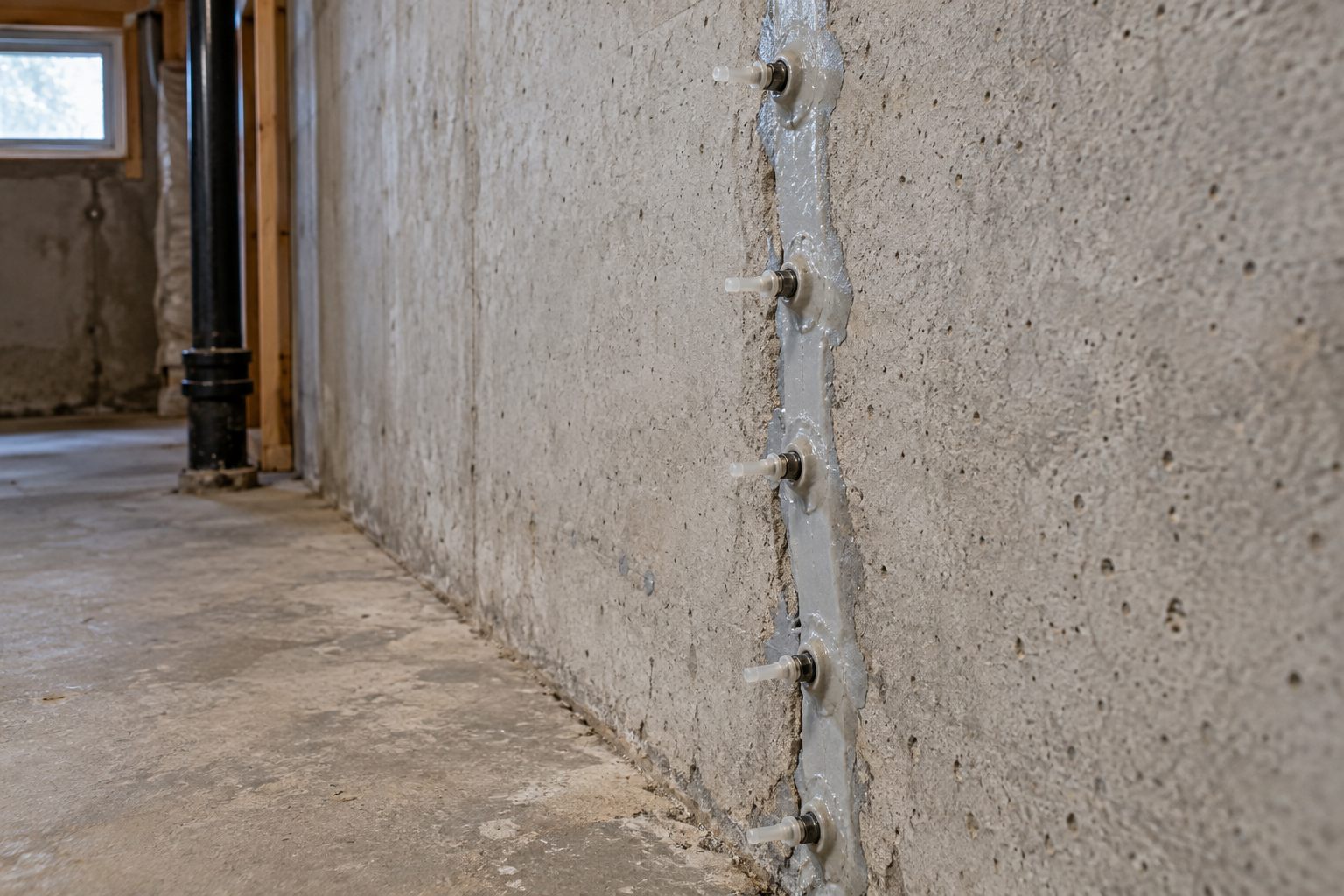
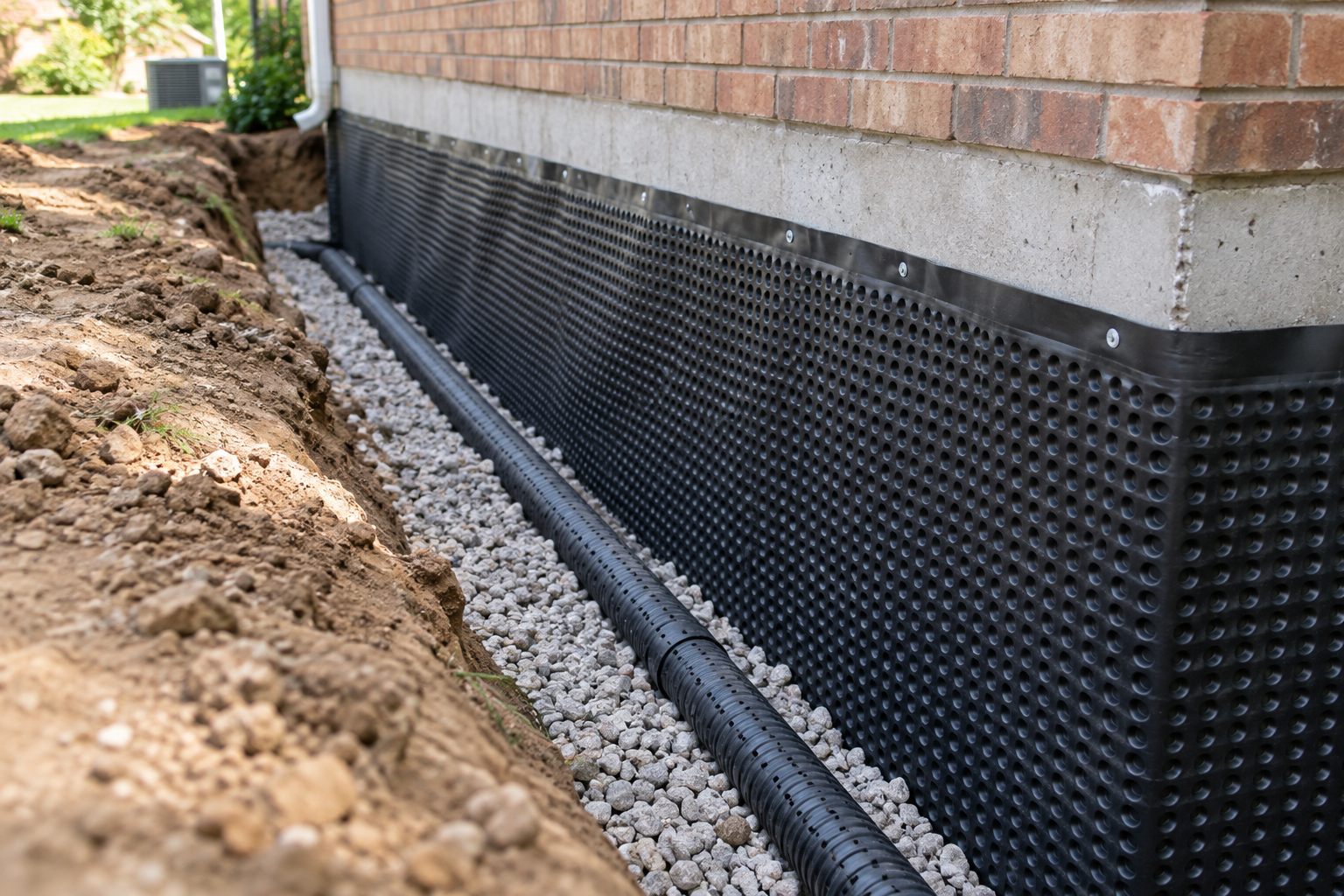
Basement waterproofing is any repair that keeps groundwater out of a below-grade space or moves it away before it reaches your floor. Most jobs combine two or three fixes: sealing the paths water is using, giving that water somewhere to drain, and pumping it out and away from the house.
The right mix depends on where the water shows up. A damp stripe along the bottom of a wall points to a different problem than a puddle in the middle of the floor or a trickle from a crack after heavy rain. A contractor who looks at the space in person can tell you which one you have.
Signs you should call now
Standing water after rain or snowmelt, a musty smell that doesn't go away, white chalky deposits on block walls, peeling paint low on the walls, rust on appliance feet, or cracks that seep. Any of these can worsen over time, and water under finished floors or drywall leads to mold.
Before you choose a contractor
Confirm that the proposed work addresses the observed source of moisture. Ask about inspection fees, permits, exclusions, cleanup, discharge routing and warranty terms. Verify applicable credentials and insurance independently.
Use the waterproofing estimate checklist to compare the same scope across quotes.