Waterproofing Match
Start with the water-entry assessment
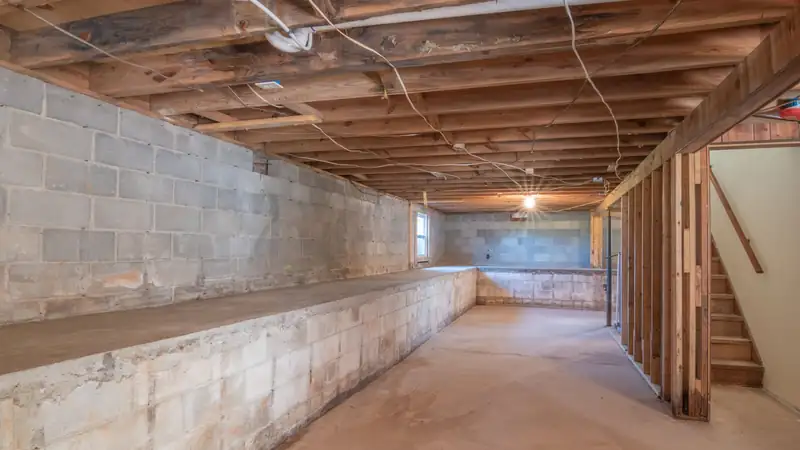
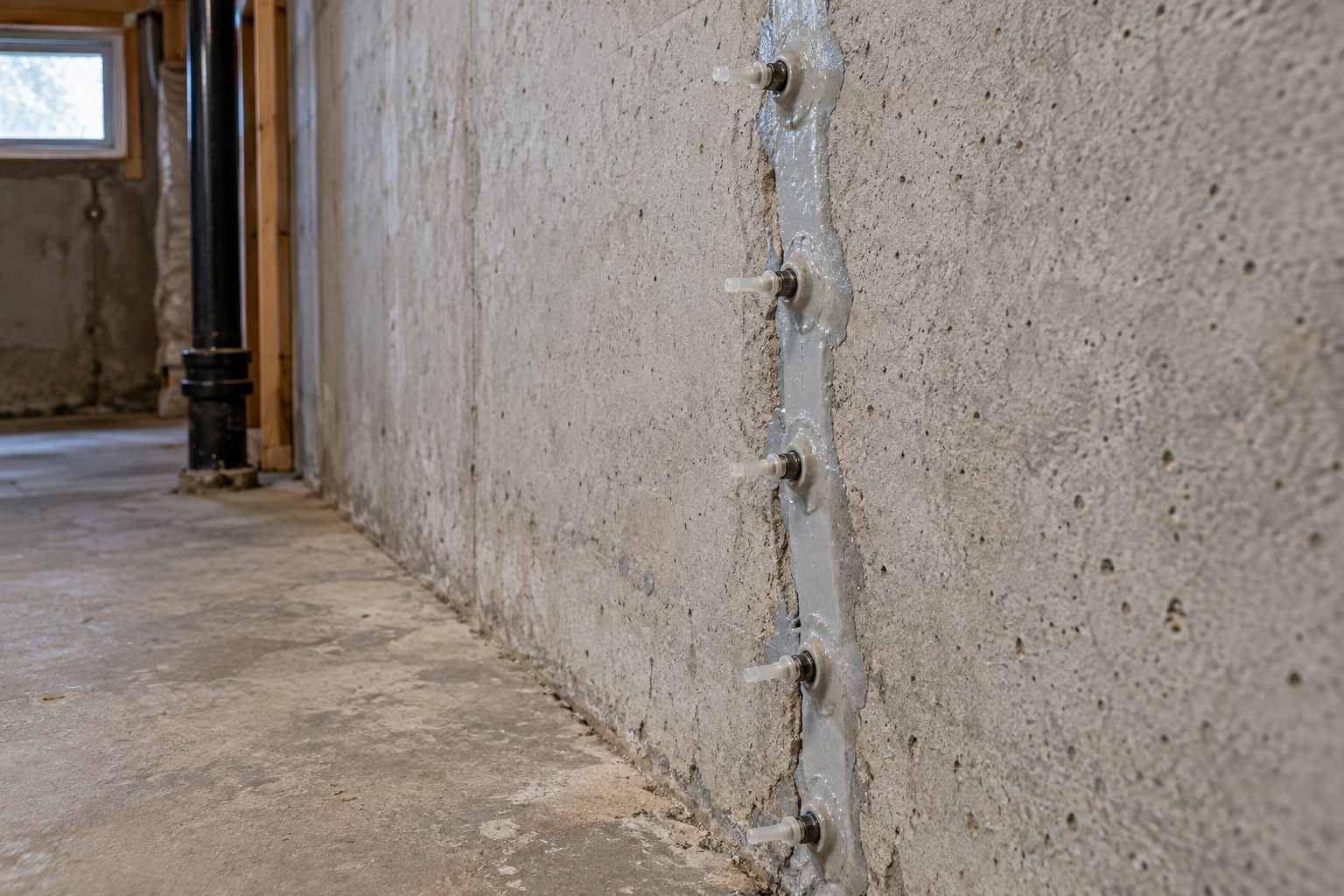
Ask the contractor to identify where water is entering and explain why an interior drainage proposal fits the observed problem. Describe when water appears, which walls or floor joints are affected and any previous repairs. This guide cannot diagnose the basement or establish that a perimeter drain is the right solution.
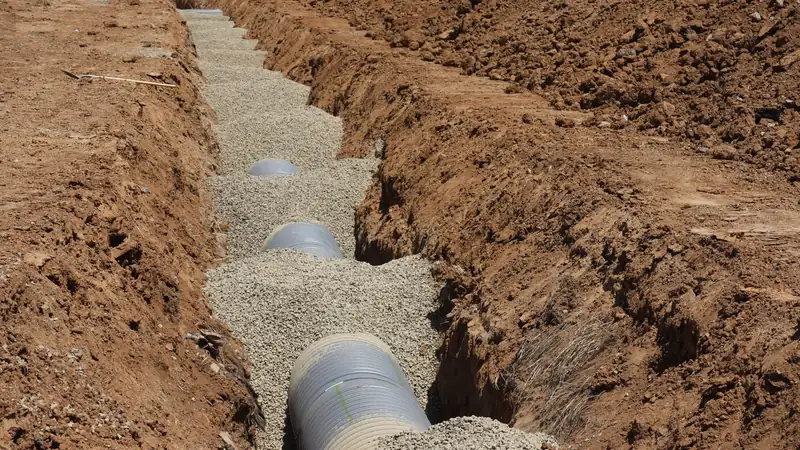
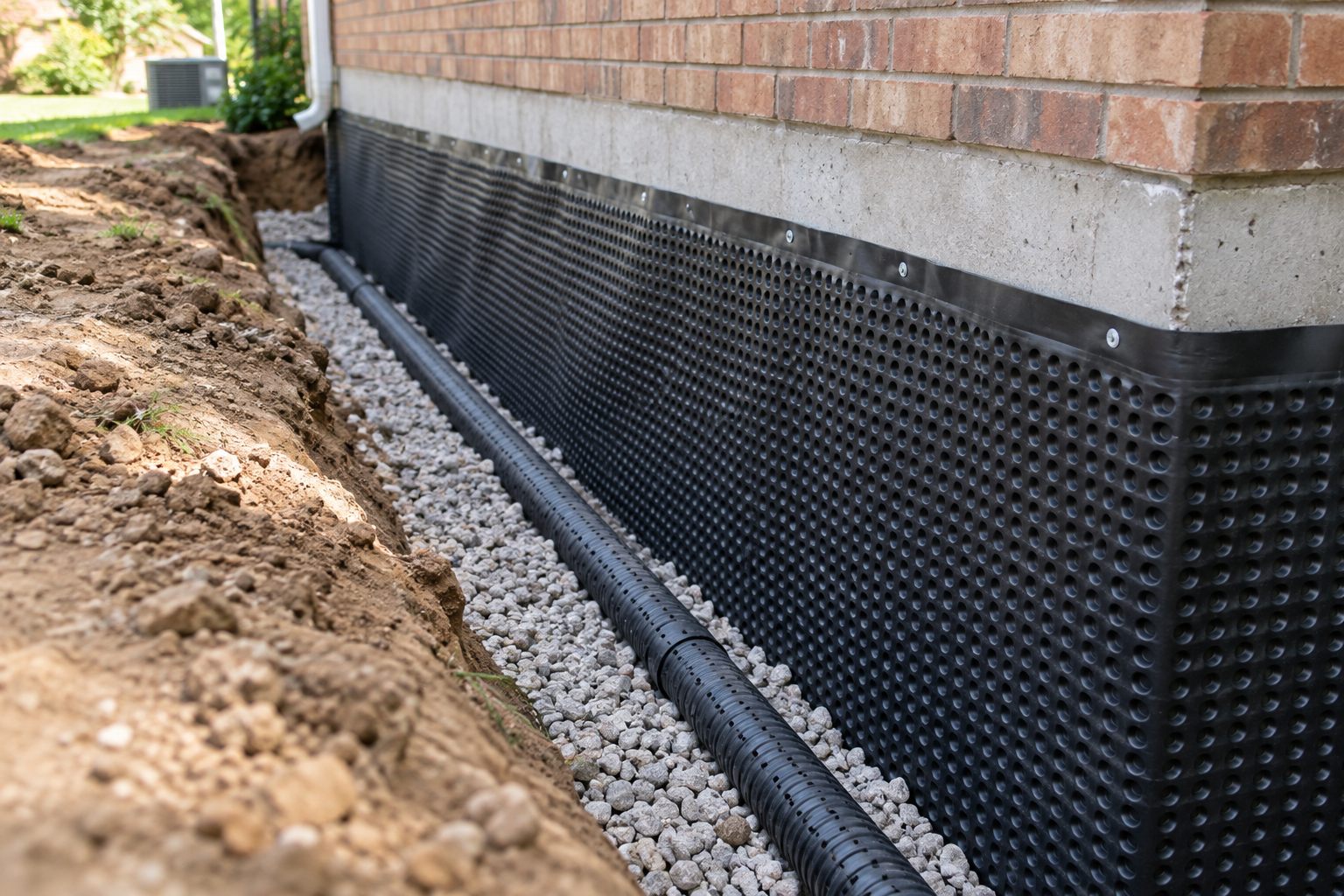
Ask what the proposed system will collect, how water reaches the collection point and which moisture problems would remain outside its scope. Compare that explanation with your observations before approving floor removal.
Define the work area before comparing prices
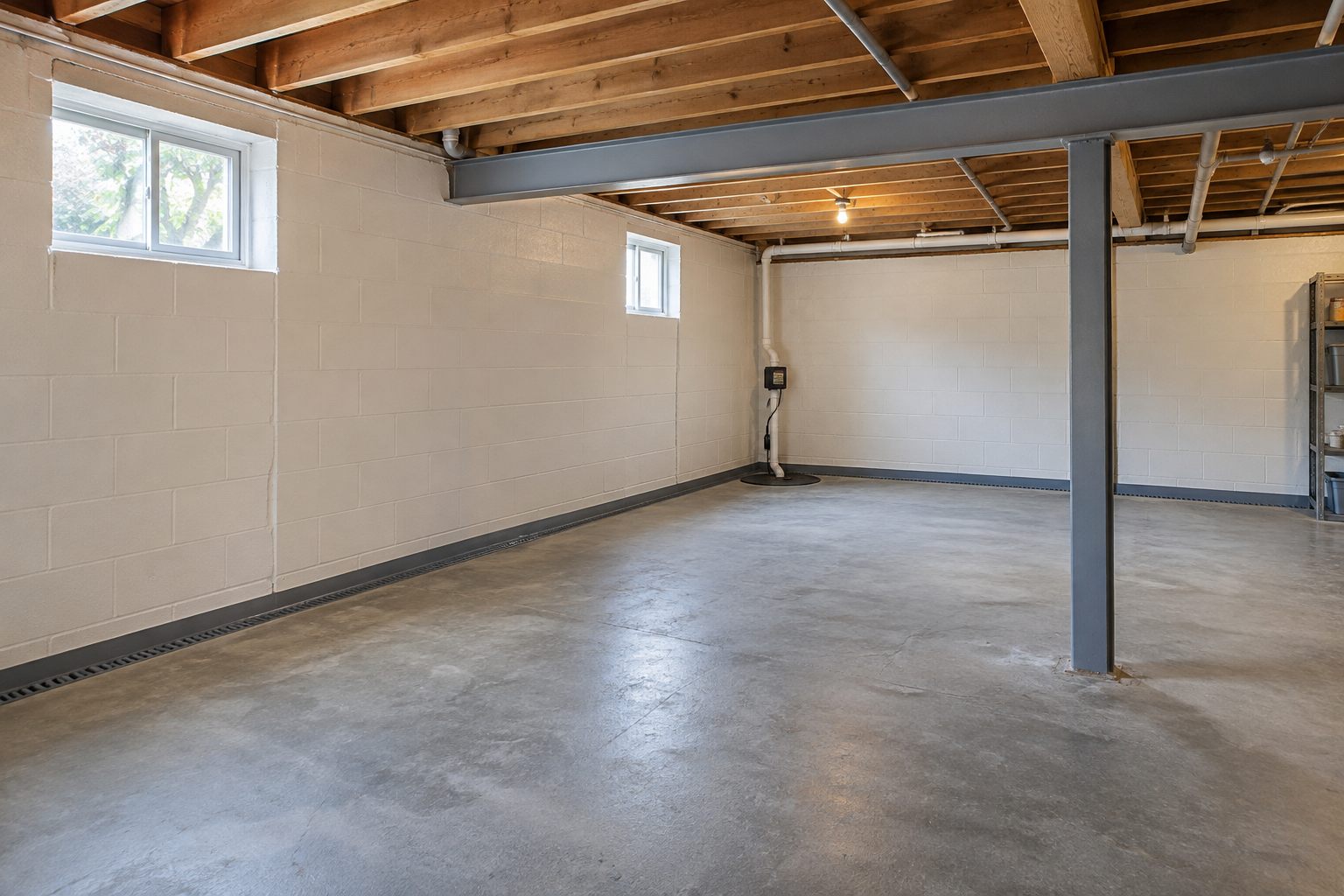
Request a plan that marks the wall lengths included, the proposed collection route and any sections excluded. Ask what floor cutting, debris removal, dust protection and access preparation are included. For a finished basement, identify who removes and restores flooring, wall finishes, cabinets or other obstructions.
Ask whether the quoted price assumes an empty work area, normal access or an existing usable sump basin. Have optional items and conditions that could change the price listed beside the base scope.
Clarify the pump and discharge responsibilities
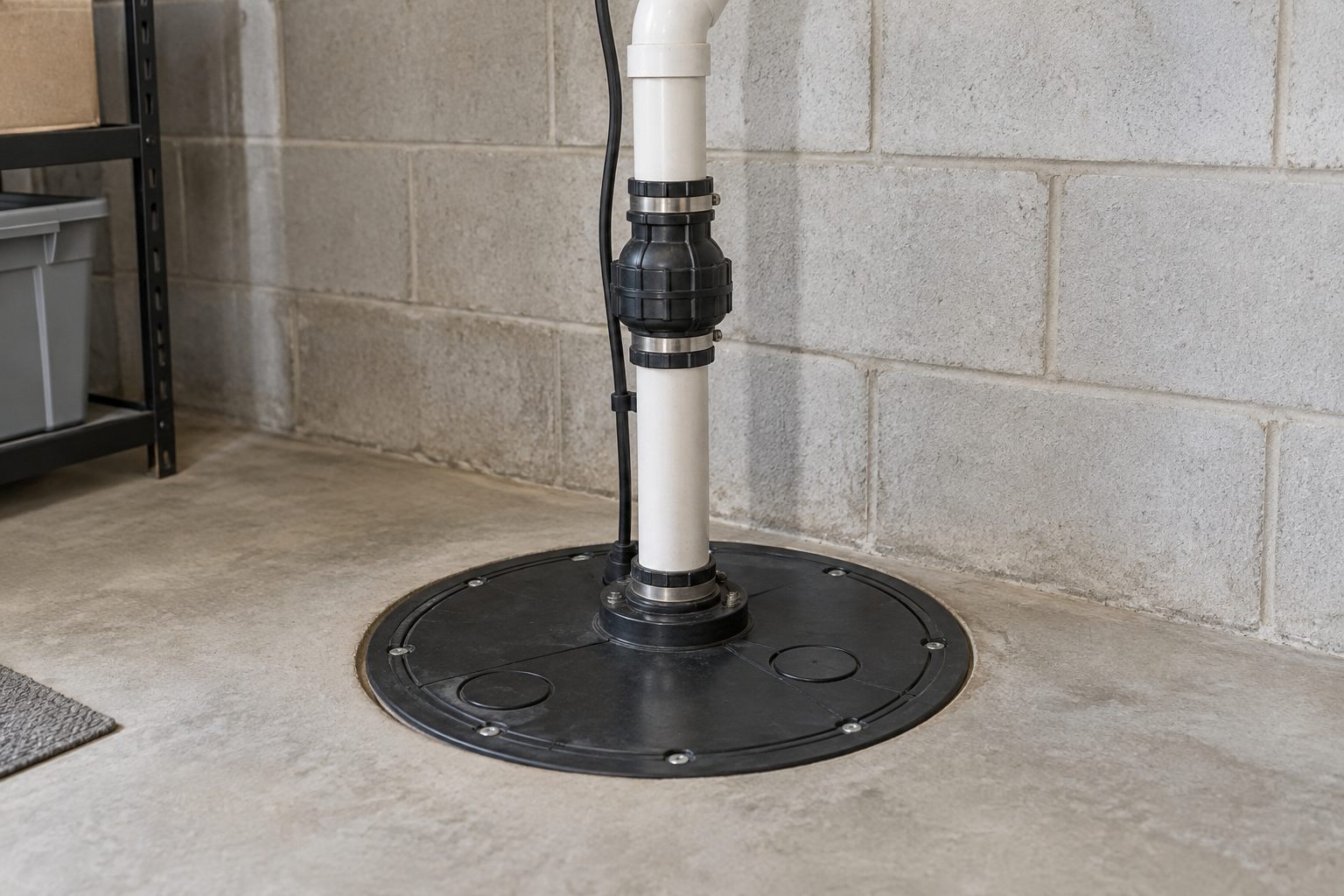
Ask where collected water will go and who is responsible for confirming a suitable discharge arrangement and any applicable requirements. Request separate scope for the basin, pump, electrical work and discharge route if those items are proposed.
Ask how the proposal handles an existing pump, power loss, servicing access and maintenance. A pump or backup is not automatically included in a drain-tile price. This site offers basement-waterproofing referral inquiries; standalone sump-pump service eligibility is not confirmed.
Agree on restoration, maintenance and warranty terms
Ask how the opened floor will be restored and what finish work remains for you or another contractor. Confirm who handles cleanup, removed materials and any permits or inspections required for the proposed work.
Request the maintenance instructions, access points, warranty terms and exclusions in writing. Ask which result is covered, what responsibilities you retain and how a future water concern is reported. Do not assume a warranty covers every source of dampness or unrelated structural repairs.
Questions for the first estimate call
Have the property ZIP, wet areas, timing of water entry, finished-basement details and previous repair records ready. Ask whether an assessment fee applies, what written findings you receive and who approves additional work.
Compare each proposal on the same included wall lengths, preparation, drainage, discharge, restoration and exclusions. Confirm current project acceptance and scheduling directly with the recipient; a call does not confirm an appointment.
Before you choose a contractor
Confirm that the proposed work addresses the observed source of moisture. Ask about inspection fees, permits, exclusions, cleanup, discharge routing and warranty terms. Verify applicable credentials and insurance independently.
Use the waterproofing estimate checklist to compare the same scope across quotes.